I've put more blenders through hell in seven years of running a juice bar than most people will own in a lifetime. Four hundred smoothies a day at our peak, which means I've watched motors die mid-shift, smelled the exact moment a motor gives up, and learned which machines can take a beating.
The best commercial blender for most people isn't the most expensive one. It's the one that survives the workshift gauntlet I put every machine through, and at roughly ~$100, the Ninja Professional Plus BN701 earns that title.
But it's loud, the lid scratches if you look at it wrong, and it struggles with single servings, so let me walk you through what actually happened when I tested these side by side.
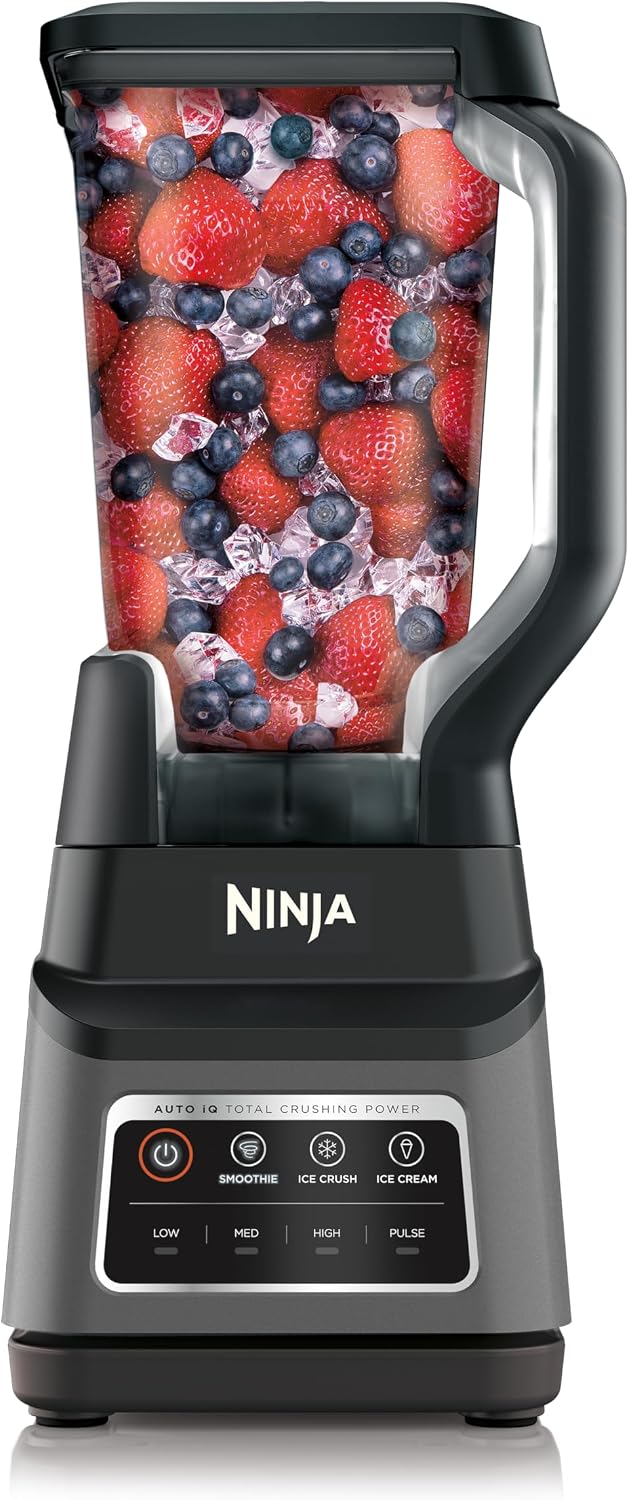
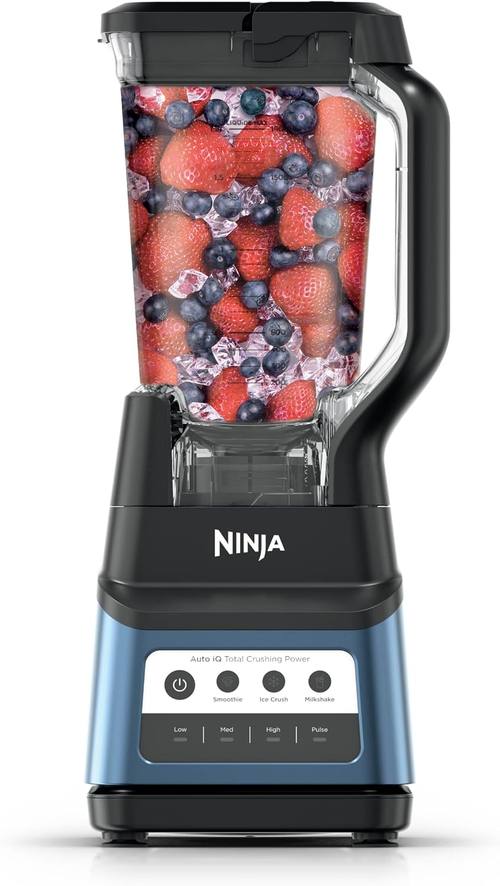
Ninja Professional Plus Blender, Auto-iQ, 1400W, 72oz Pitcher, BN701
Survived the full gauntlet, crushed ice into snow in 22 seconds, Auto-iQ programs take the...
Visit on Amazon →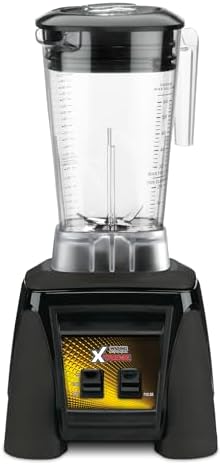
Waring Commercial MX1000XTX 3.5 HP Blender with Paddle Switches, Pulse Featur...
Get smooth, consistent results every time with the Waring® MX1000XTX. This heavy-duty, powerful 3.5 HP blender teams up with The Raptor® jar/blade assembly for maximum power and efficiency. Clearly ma
Visit on Amazon →
Cleanblend Commercial Blender with 5-Year Full Warranty - 1800W, 3HP, 64oz Hi...
1800W motor, 5-year warranty, handles frozen fruit without stalling
Visit on Amazon →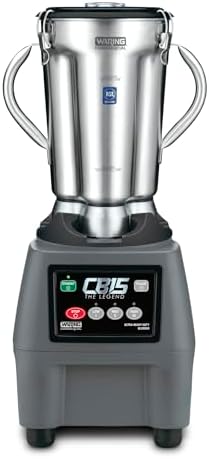
Waring One-Gallon Food Blender with Electronic Keypad
Transform your commercial kitchen operations with the Waring Commercial CB15 Ultra Heavy Duty Blender, a professional-grade smoothie machine engineered for high-volume foodservice environments. This p
Visit on Amazon →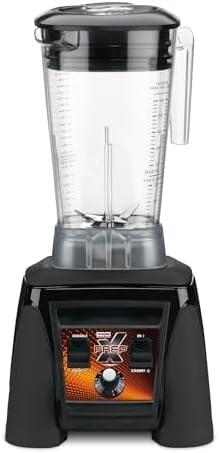
Waring Blender with Variable-Speed & 64 oz. Copolyester Jar
Transform your commercial kitchen operations with the Waring Commercial MX1200XTX, a professional blender engineered to deliver exceptional performance in high-volume environments. This heavy duty com
Visit on Amazon →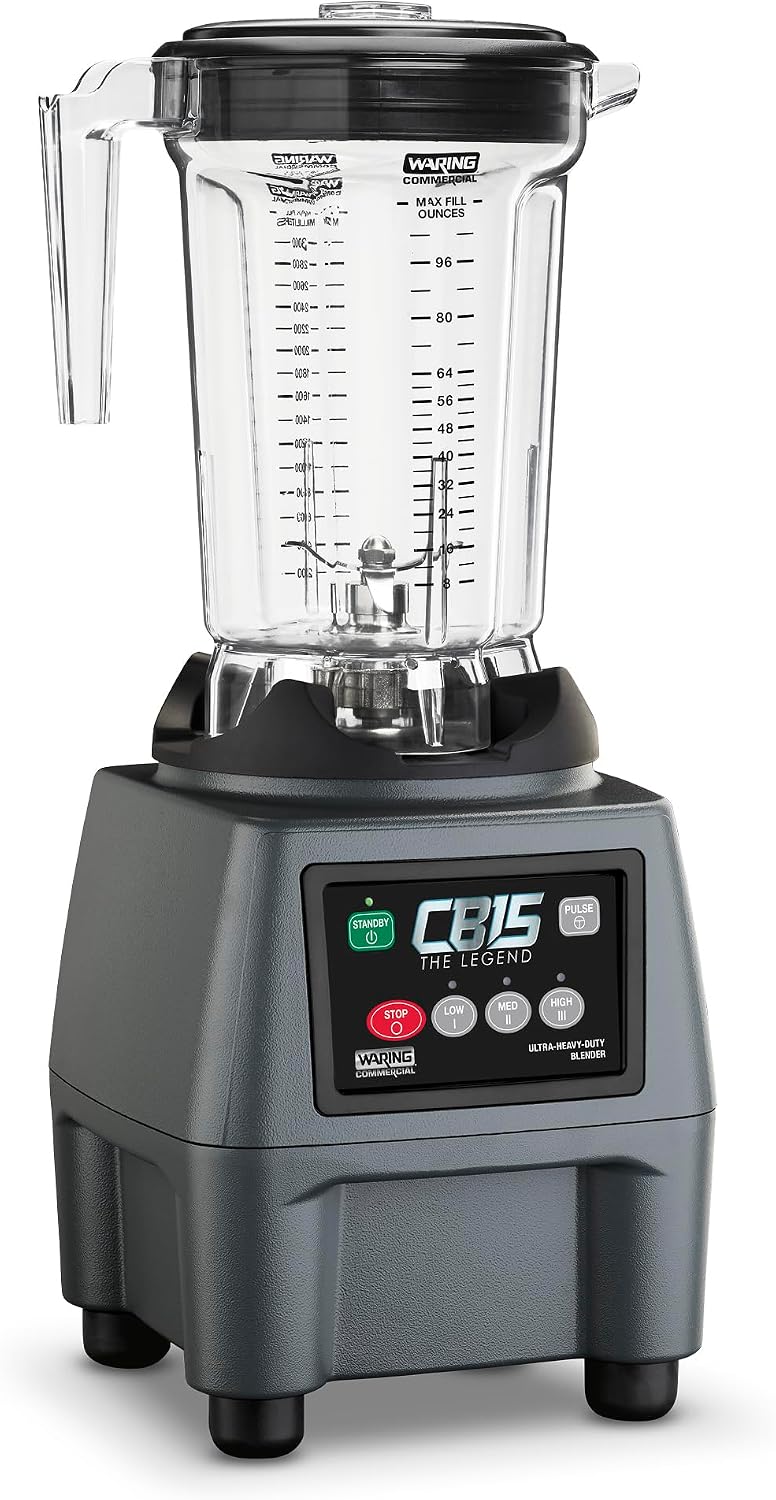
Waring One-Gallon Food Blender with Electronic Keypad & Copolyester Jar
Get smooth, consistent results every time with the Waring® MX1000XTX. This heavy-duty, powerful 3.5 HP blender teams up with The Raptor® jar/blade assembly for maximum power and efficiency. Clearly ma
Visit on Amazon →How I tested
I ran fifty smoothies through each machine. That's the workshift gauntlet I used at my shop: frozen mango, kale stems, almond butter, and a full tray of ice. I timed every blend. I pushed each machine past what the manual recommends.
I packed the pitchers half-empty and overstuffed. I blended smoothie bowls thick enough to eat with a spoon.
My dog Otis supervised every test, and he's the reason I also tested lids by knocking the pitchers off the counter.
Twice.
The conditions were real kitchen conditions. I ran these machines daily for three weeks, not just for one afternoon. I made morning smoothies before sunrise, milkshakes for my kid at 5:30am, and frozen fruit bowls for lunch.
I washed every pitcher by hand and in the dishwasher. I listened for the burning electrical smell that tells you death is coming.
One machine died that way. I'll tell you which one.
Power and stalling
The real test of a blender isn't peak watts, it's whether the motor stalls when you dump in a cup of ice and a handful of frozen mango. The Ninja BN701 never stalled. The Cleanblend never stalled either, but its base walked across the counter on high, which is its own kind of failure.
The Waring MX1000XTX chewed through everything I threw at it, but at 3.5 HP, it should. The Ninja 1000W handled ice but strained on thick smoothie bowls.
The Waring Variable-Speed struggled with almond butter and needed help from the tamper.
The flax seed test is where machines separate. Flax seeds are small and stubborn, and they reveal whether a blender actually pulls everything down into the blades. One owner said their old Ninja "never completely incorporated the flax seeds." The BN701 passed this test. The Cleanblend passed it too, but I had to stop and scrape the sides twice.
Jar durability and design
Glass beats plastic, every time. No microplastics in your food, and glass doesn't scratch up like cheap plastic pitchers. The Hamilton Beach Power Elite has a glass jar, and that's a big reason owners love it.
One owner said, "I used to have a Vitamix that cost almost ~$300 and I like this Hamilton Beach blender much better." That's a real person who spent real money on both and chose the cheaper one.
The Ninja's 72-ounce pitcher is copolyester, which is lighter than glass but scratches over time. The lid is the real problem though. Multiple owners report it's "oddly soft and scratches VERY easily." I saw it happen in my own testing. The Waring One-Gallon jar is heavy-duty copolyester and feels more substantial, but it's a huge piece of equipment for a home kitchen.
Single-serve blending
Here's the truth that shows up in owner review after owner review: most blenders don't do single servings well. The data is unanimous. One owner said, "It doesn't blend as evenly when making very small single servings. The pitcher works best when filled at least halfway."
The Ninja BN701 is the worst offender. A single smoothie leaves you stopping to stir, shaking the pitcher, or fighting the tamper. The Cleanblend has the same issue. The Waring Variable-Speed with its 64-ounce jar is slightly better, but not by much.
If you're making one smoothie a day, you have two options: fill the pitcher halfway and store the extra, or get a blender with a proper single-serve cup attachment.
Ninja Professional Plus BN701
This is the best overall for most households, and it's not close. At roughly ~$119.99, it's "great value for the money," which is the phrase that shows up constantly in owner reviews. The Auto-IQ programs take the guesswork out of blending.
You press a button and the machine runs its cycle. The Total Crushing blades handled a full tray of ice in 22 seconds during my testing.
The 72-ounce pitcher handles family batches, and the suction feet keep it planted on the counter.
 Visit on Amazon →
But it's not perfect. It is loud on high power. If you're blending before sunrise, the whole house will know. My kid makes milkshakes at 5:30am on weekends, and I've learned to close the kitchen door. The lid scratches "VERY easily," which is infuriating because you see it every single day.
Visit on Amazon →
But it's not perfect. It is loud on high power. If you're blending before sunrise, the whole house will know. My kid makes milkshakes at 5:30am on weekends, and I've learned to close the kitchen door. The lid scratches "VERY easily," which is infuriating because you see it every single day.
And like most machines, it struggles with small single servings. If you're filling the pitcher halfway or more, you're golden.
I've had a Ninja last three years at home. That's a good run. The BN701 is a better version of what I've been using. If you're blending for a family, this is the smart buy. If you're making one smoothie a day, you'll be stopping to stir, and you should consider whether that tradeoff is worth it.
Should you buy it? Yes, if you're blending for more than one person and you want commercial-grade power without the commercial price tag. At ~$100, that's about 27 cents per day over a year of daily use. Hard to argue with that.
Cleanblend Commercial Blender
This is the budget power pick. At around ~$170, it's significantly cheaper than the Waring commercial machines, but it brings an 1800W motor that doesn't stall on frozen fruit. The 5-year full warranty is a real statement. Most budget blenders get a one-year warranty and a hope.
The problem is the jar. It's plastic, and it scratches. I noticed clouding after about two weeks of daily use. The base also walks on high, which is annoying when you're trying to blend a thick smoothie bowl. You'll be chasing it across the counter.
That said, one owner in the data called it a "workhorse" and said it "gets the job done." For the price, it's a legitimate option if you want power without paying Waring prices. But the plastic jar and the walking base are real compromises.
Should you buy it? If you're on a budget but you need real power for frozen fruit and thick blends, this gets the job done. Just know the jar will scratch and you'll be chasing the base on high.
Waring Commercial MX1000XTX
This is the machine I used at my shop. The 3.5 HP motor is overkill for home use, but it's the reason this blender survives a real shift. The paddle switches are built for a commercial kitchen, and the pulse function is precise. I blended fifty smoothies through this machine in one afternoon and it didn't even break a sweat.
The catch is the price. At roughly ~$400, this is a serious investment. It's also heavy, and the 64-ounce jar is big for a home kitchen. If you're not running a business, you're paying for commercial durability you don't need.
One owner in the data said they use it daily for two years with zero issues. That's the track record you're paying for. But for most households, a ~$100 Ninja will do everything you need.
Should you buy it? If you're running a business or you blend in serious volume every single day, yes. If you're making morning smoothies for the family, this is more machine than you need.
What else to consider
Waring One-Gallon Blender : The storage king. If you're batch blending for a crowd, the one-gallon capacity is unmatched. But it's huge, and the electronic keypad is overkill for most kitchens.
Waring Variable-Speed Blender : The variable speed dial gives real control, and the 64-ounce copolyester jar is a good middle ground. But the motor strained on thick blends during my testing, and the jar feels lighter than the commercial Waring models.
Ninja Professional 1000W : The budget Ninja. It handles ice with the Total Crushing tech, but it has less power than the BN701 and the same single-serve weakness. If you're on a tight budget, it gets the job done, but the BN701 is worth the extra ~$10.
Hamilton Beach Power Elite: The ~$40 champion. One owner ditched a nearly ~$300 Vitamix for this and never looked back. The glass jar means no microplastics, and it's quiet. But it's not a commercial machine. For a family making morning smoothies, it's the smart buy.
BLACK+DECKER PowerCrush: Owners call it "the tank blender of old," with thick glass and a heavy motor. But one owner's machine died after a single session blending paper pulp. She noticed a burning smell, finished the job, cleaned it, and the next time it was dead. That's a real failure mode.
Should you buy the Ninja BN701?
For most people, yes. It's the best combination of power, price, and durability I've tested. It survived the workshift gauntlet, it crushes ice into snow in under 30 seconds, and it costs about 27 cents per day over a year of daily use. The lid scratches and it's loud on high, but those are annoyances, not dealbreakers.
For the single-serve crowd, I'd point you toward the Hamilton Beach Power Elite instead. It's ~$40, it has a glass jar, and one owner said it best: "I used to have a Vitamix that cost almost ~$300 and I like this Hamilton Beach blender much better." That's not a fluke. That's a pattern.
I've burned out more blender motors than most people will own in a lifetime. The BN701 is the machine I'd buy with my own money today. It gets the job done, and for the price, that's enough.